November 22, 2026
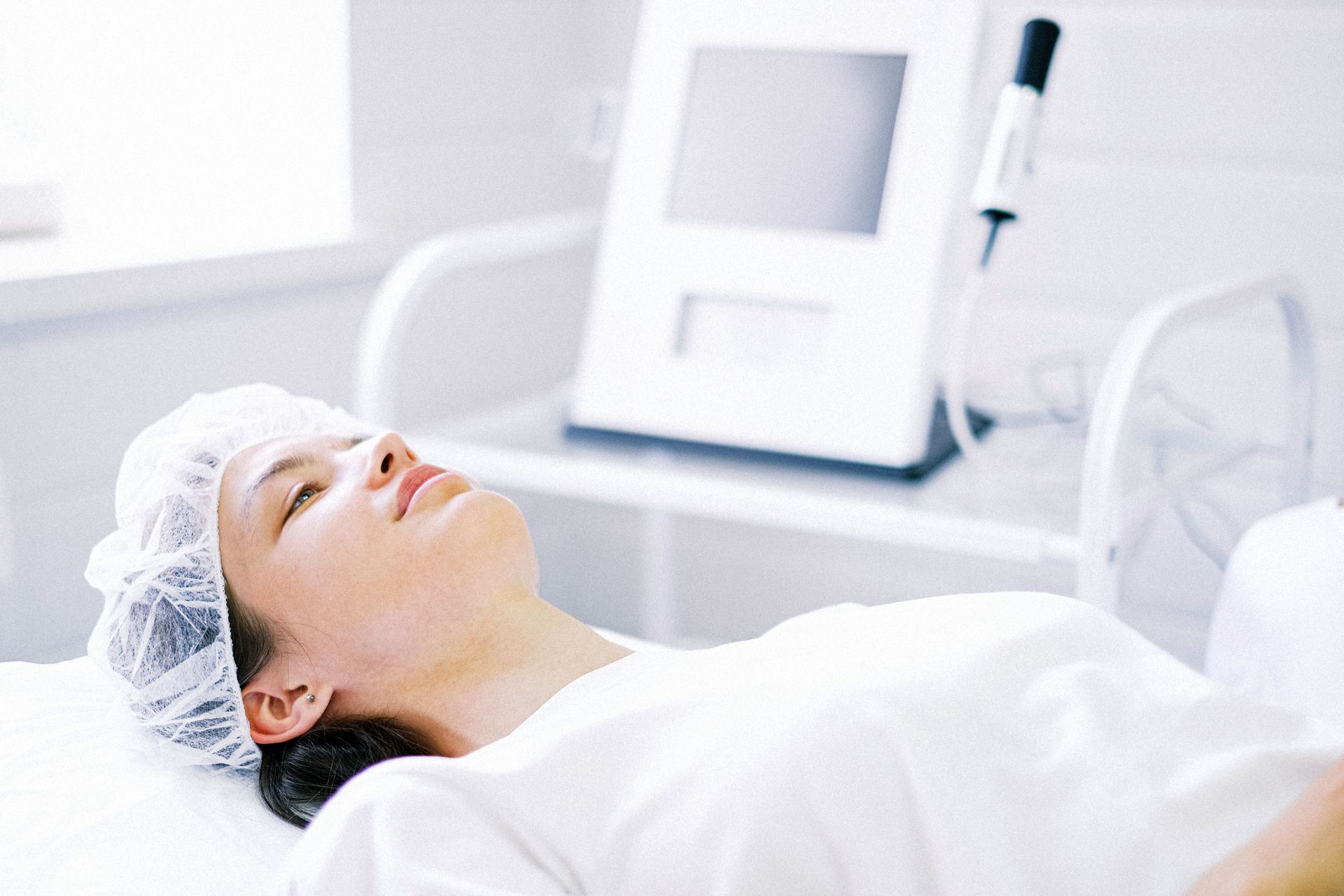
As we get older, our skin naturally begins to change. Fine lines become more noticeable, wrinkles deepen, sun damage starts to appear, and the skin may lose some of its firmness and elasticity. Add years of environmental exposure, hormonal changes and everyday stress, and achieving a smooth, radiant complexion can become increasingly challenging. But what if there was a treatment that could help refresh your skin, improve texture, soften wrinkles and stimulate your body's natural collagen production? Introducing the Phoenix CO2 Laser – an advanced fractional laser resurfacing treatment designed to rejuvenate the skin from the surface down. Whether you're concerned about fine lines, acne scarring, sun damage or uneven skin texture, here's what you should know about this popular skin rejuvenation treatment. What Is the Phoenix CO2 Laser? The Phoenix CO2 is a fractional ablative carbon dioxide laser that uses a precise wavelength of 10,600 nanometres to treat damaged skin and stimulate the body's natural healing response. Unlike treatments that simply work on the skin's surface, fractional CO2 laser technology creates tiny, controlled treatment zones in the skin. This removes microscopic areas of damaged tissue while leaving surrounding areas untreated to support the healing process. The laser also delivers controlled thermal energy into the deeper layers of the skin, stimulating collagen production and encouraging collagen remodelling. The result? Gradual improvements in skin texture, firmness and overall appearance as the skin heals and renews itself. What Skin Concerns Can the Phoenix CO2 Laser Treat? One of the biggest attractions of fractional CO2 laser resurfacing is its versatility. Depending on the treatment settings, skin type and individual suitability, the Phoenix CO2 laser may help improve: Fine lines and wrinkles: Softens the appearance of lines, particularly around the eyes and mouth. Acne scarring: Helps improve the appearance of selected acne scars and uneven skin texture. Sun damage: Addresses visible signs of photoaging and sun-damaged skin. Uneven skin texture: Encourages smoother, more refined-looking skin. Pigmentation: May improve certain forms of uneven pigmentation, although results vary. Enlarged-looking pores: Can improve the appearance of skin texture and pores. Skin laxity: Collagen remodelling may produce some improvement in mild skin laxity. The treatment can also be considered for selected areas beyond the face, including the neck, chest and hands. How Does the Phoenix CO2 Laser Work? The treatment works by delivering controlled laser energy into the skin. This process involves two important actions: 1. Skin resurfacing - The laser precisely removes microscopic columns of damaged skin tissue, encouraging the skin's natural renewal process. 2. Collagen stimulation - The thermal energy generated by the laser stimulates collagen remodelling beneath the surface. Collagen is an essential protein responsible for helping our skin maintain its structure, strength and elasticity. As the skin heals, new tissue develops and collagen continues to remodel over the following months. This is why improvements can continue well beyond the initial healing period. What Happens During a Phoenix CO2 Laser Treatment? Before treatment, your practitioner should carry out a thorough consultation and assess your skin, medical history, skin concerns and suitability. The treatment itself generally involves the following stages: Step 1: Skin preparation - The skin is cleansed thoroughly to remove makeup, oils and impurities. Step 2: Numbing - A topical anaesthetic is commonly applied to improve comfort during treatment. The time required will depend on the treatment area and protocol. Step 3: Laser treatment - The Phoenix CO2 handpiece is passed over the selected treatment area, delivering controlled laser energy to the skin. You may experience warmth, tingling or a snapping sensation, depending on the treatment intensity. Step 4: Aftercare - Following treatment, the skin will generally appear red and feel warm, similar to a sunburn. Your practitioner will provide specific aftercare instructions to support healing and reduce the risk of complications. What Is the Recovery Time? One of the most important things to understand about CO2 laser resurfacing is that it involves genuine skin healing. Following fractional ablative treatment, it is normal to experience: Redness and swelling. Warmth and sensitivity. Small pinpoint areas of crusting. Peeling and flaking. Temporary skin tightness and dryness. Depending on the intensity of treatment, the treated area and your individual healing response, initial recovery may take approximately 5–10 days. More intensive treatments can require longer. Redness may persist after the initial healing period, and the skin can remain sensitive for several weeks. Following your practitioner's aftercare instructions is essential. When Will You See Results? Although some people notice an improvement in their skin once the initial healing process is complete, the full benefits develop gradually. This is because collagen remodelling takes time. Over the following weeks and months, you may notice: Smoother skin texture. Softer-looking fine lines. Improved appearance of selected scars. More even-looking skin tone. Firmer-looking skin. Results vary according to individual skin concerns, treatment intensity and healing response. Some people may benefit from additional treatments, while others may achieve their desired improvement with one session. Is the Phoenix CO2 Laser Suitable for Everyone? Although CO2 laser resurfacing can produce impressive improvements, it isn't suitable for everybody. Your skin type, medical history, previous treatments and risk of pigmentation changes all need to be considered. People with darker skin tones may have a greater risk of post-inflammatory hyperpigmentation or other pigment changes. Careful patient selection and treatment planning are particularly important. Treatment may need to be postponed or avoided in people with active skin infections, certain inflammatory skin conditions, impaired healing or other medical contraindications. A consultation with an appropriately qualified medical professional is essential before proceeding. Are There Any Risks or Side Effects? Like all aesthetic procedures, Phoenix CO2 laser treatment carries potential risks. These include: Prolonged redness and swelling. Post-inflammatory hyperpigmentation. Loss of pigmentation. Infection. Cold sore reactivation. Delayed wound healing. Scarring. Although complications are not inevitable, they are important to understand before treatment. Choosing an appropriately trained and experienced medical professional, following pre-treatment instructions and adhering to aftercare recommendations can help reduce avoidable risks. How Can You Look After Your Skin After Treatment? Aftercare plays an important role in achieving a good healing outcome. Your practitioner should provide a personalised aftercare plan, which may include: Keeping the treated skin clean and appropriately moisturised. Using recommended healing products. Avoiding picking, scratching or peeling the skin. Avoiding active skincare ingredients until your practitioner confirms they can be restarted. Avoiding direct sun exposure. Using broad-spectrum SPF 30–50 once appropriate for your healing stage. Avoiding excessive heat, strenuous exercise and swimming until your practitioner advises they are safe. Remember, freshly treated skin is particularly vulnerable, so protecting it during recovery is essential. Is the Phoenix CO2 Laser Worth Considering? If you're looking to address more than just surface-level skin concerns, fractional CO2 laser resurfacing may be an option worth exploring. By combining controlled skin resurfacing with collagen stimulation, the Phoenix CO2 laser offers a way to address visible signs of aging, selected scars, sun damage and uneven texture without traditional cosmetic surgery. However, it is important to remember that stronger treatments aren't necessarily better treatments. The ideal approach is one that is carefully tailored to your skin, concerns and desired outcome. Beautiful, healthy-looking skin isn't about turning back the clock or chasing perfection. It's about feeling confident in your skin and choosing treatments that support its health and appearance. The Phoenix CO2 laser offers an advanced approach to skin rejuvenation, helping improve texture, soften visible signs of aging and stimulate natural collagen remodellng. If you're considering laser resurfacing, the first step is a professional consultation to determine whether this treatment is suitable for your skin. Ready to discover what skin rejuvenation could achieve for you? Start with a personalized skin assessment and explore whether Phoenix CO2 laser resurfacing is the right treatment for your skin goals. Call Plastic Surgery Central Florida at 407-674-1396 and schedule a consultation with one of our clinicians today!